
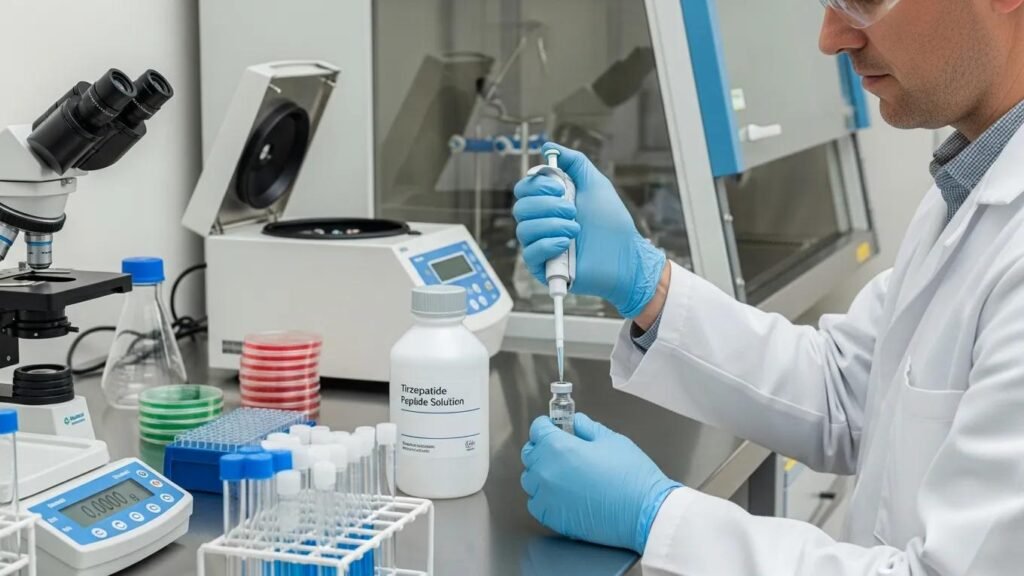
Compounded Tirzepatide: High-Purity Peptides for Advanced Research Applications
Compounded tirzepatide, a dual GLP-1 and GIP receptor agonist, is increasingly utilized in metabolic and biochemical research to explore pathways relevant to obesity, type 2 diabetes, and energy balance mechanisms. Research-grade peptide preparations with high purity enhance experimental reliability and reproducibility. This article provides a detailed overview of key characteristics, research applications, and considerations for sourcing high-purity tirzepatide peptides.
Characteristics of High-Purity Peptides

Purity levels, commonly reported as 95–98% or higher, along with validated Certificates of Analysis (CoAs), serve as primary indicators of peptide quality for research purposes. Using high-purity tirzepatide reduces experimental variability and minimizes the risk of interference or artifacts, thereby supporting the integrity and reproducibility of laboratory results.
Significance in Advanced Research Applications
Tirzepatide is employed to study receptor binding affinity, signaling pathways, and molecular metabolic effects within controlled laboratory settings. It often functions as a reference compound in analytical validations, assay development, and comparative efficacy analyses. Insights gained from such research contribute to a deeper understanding of metabolic regulatory mechanisms and facilitate the design of novel experimental approaches and compounds.
Laboratories seeking research-grade tirzepatide may find suppliers like Nextday Peptides offer rigorously tested, high-purity peptide products with transparency in quality assurance documentation.
Research Considerations for Efficacy and Safety

Preclinical and clinical research reports provide data on tirzepatide’s molecular interactions and biochemical effects relative to other peptides. Laboratory studies examine functional activity and characterize response profiles under controlled experimental conditions. Protocols incorporate measures to monitor expected cellular or systemic responses during assays. Such information assists researchers in accurately interpreting laboratory results without extending clinical implications.
Molecular Structure and Synthetic Processes of Compounded Tirzepatide
The amino acid sequence and specific modifications confer the molecule’s dual receptor activity. Production for research purposes involves highly controlled synthetic methodologies designed to achieve consistent high-purity batches. Solid-phase peptide synthesis, combined with stringent in-process analytical testing such as high-performance liquid chromatography (HPLC), ensures reproducible peptide quality suitable for laboratory applications.
Synthesis Methodology for Research-Grade Tirzepatide Peptides
The synthesis process consists of precise peptide chain assembly, purification steps, and robust analytical verification methods to confirm peptide identity and purity. Routine quality control measures throughout production minimize contaminants and validate the final analytical characterization to meet defined research standards.
Key Molecular Properties Relevant to Laboratory Investigations
The molecular design enables specific interaction with both GLP-1 and GIP receptor subtypes, influencing cellular pathways related to insulin secretion modulation, glucose metabolism, appetite signaling, and energy regulation at the biochemical level. Comprehensive characterization of these molecular interactions supports optimized protocol development and selection of appropriate assay parameters, enhancing data interpretation.
Quality Standards and Analytical Controls for Compounded Tirzepatide
Available industry protocols establish acceptable impurity thresholds and require submission of documentation such as Certificates of Analysis to substantiate peptide composition and purity claims. Consistent quality control testing and supplier transparency in analytical reporting are vital for laboratories that depend on reliable reagent performance and reproducibility in experimental workflows.
Role of Certificates of Analysis in Validating Peptide Purity
Certificates of Analysis detail analytical results, including molecular identity confirmation, explicit purity percentages, and quantitative detection of impurities. These documents enable researchers to assess consistency, suitability, and comparability of peptide batches across different sources.
Purity Benchmarks Distinguishing High-Quality Tirzepatide Products
Benchmarks include declared purity percentages, comprehensiveness of analytical techniques used, and batch-to-batch reproducibility. Suppliers providing detailed CoAs along with transparent description of synthesis and purification protocols generally supply peptides that meet stringent research-grade standards.
Effective Utilization of Compounded Tirzepatide in Laboratory Research
Optimal use involves selecting suitable peptide concentrations and formulations compatible with experimental designs, adherence to validated assay protocols, and meticulous handling procedures to prevent degradation or assay interference.
Standardized Laboratory Protocols for Handling and Storage of Tirzepatide Peptides
To preserve peptide integrity and functional stability, researchers should employ standardized handling practices, including:
- Cold Storage: Maintain storage temperatures at -20°C or lower to ensure peptide stability and prevent hydrolysis or degradation.
- Minimized Exposure: Protect from light, moisture, and air exposure to avoid chemical alteration.
- Gradual Thawing: Thaw peptides slowly under refrigeration conditions to maintain structural integrity and prevent denaturation.
Adhering to these recommended handling protocols reduces variability and supports assay consistency.
Research Domains Utilizing Tirzepatide for Metabolic and Incretin Pathway Studies
Tirzepatide serves as a valuable tool in the biochemical investigation of glucose metabolism, incretin hormone signaling, appetite regulation pathways, and energy homeostasis mechanisms. Its dual receptor activity allows comprehensive examination of combined GLP-1 and GIP interactions within controlled experimental frameworks.
Sourcing High-Purity Compounded Tirzepatide Peptides
Researchers are advised to procure peptides from suppliers who provide complete Certificates of Analysis, transparent manufacturing process information, and reliable shipment conditions to maintain peptide quality. For example, Nextday Peptides offers a catalog of products accompanied by detailed quality documentation appropriate for laboratory research.
Advantages of Selecting Nextday Peptides as a Tirzepatide Peptide Supplier
Nextday Peptides prioritizes quality assurance processes, responsive customer support, and expedited shipping services. Such attributes facilitate seamless acquisition of consistent, research-grade peptides, essential for meeting laboratory timelines and documentation requirements.
Verifying Supplier Credentials and Quality Certification for Tirzepatide
Verification involves examining available Certificates of Analysis, facility and manufacturing documentation, registration credentials, and reviewing customer feedback. Researchers should ensure availability of lot-specific analytical data prior to procurement to confirm product quality and reproducibility.
Frequently Asked Questions
What laboratory safety protocols apply when handling compounded tirzepatide?
Appropriate personal protective equipment (PPE) and aseptic techniques are recommended during all handling procedures. Adherence to institutional safety and waste disposal protocols ensures secure laboratory environments.
What are common observations in research settings regarding tirzepatide peptide use?
Studies often monitor molecular activity and biological responses in vitro or in vivo without extrapolating to clinical outcomes. Researchers should accurately document observed effects under controlled experimental conditions.
What are the recommended shipping and handling procedures for tirzepatide peptides?
Shipping should utilize cold-chain logistics, such as dry ice or controlled cold packs, to preserve peptide stability. Upon receipt, prompt transfer to -20°C storage is advised following supplier-specific instructions to maintain sample integrity.
How does tirzepatide’s mechanism compare to other peptides used in metabolic research?
Tirzepatide’s dual agonist activity targeting GLP-1 and GIP receptors distinguishes it from peptides with single receptor specificity, enabling multifaceted examination of incretin-based metabolic pathways in research contexts.
What storage conditions optimize stability of tirzepatide peptides?
Optimal storage involves maintenance at -20°C with protection from light and moisture, supporting sustained peptide integrity over appropriate timeframes.
Are there recommended timeframes for using compounded tirzepatide peptides post-receipt?
Stability duration depends on supplier-specific data and batch documentation. Researchers should reference Certificates of Analysis and expiration dates, and typically utilize peptides within suggested periods to ensure material quality in experiments.