Understanding the Price Range for High-Purity Research Peptides Like Retatrutide: Comprehensive Guide to Cost and Quality
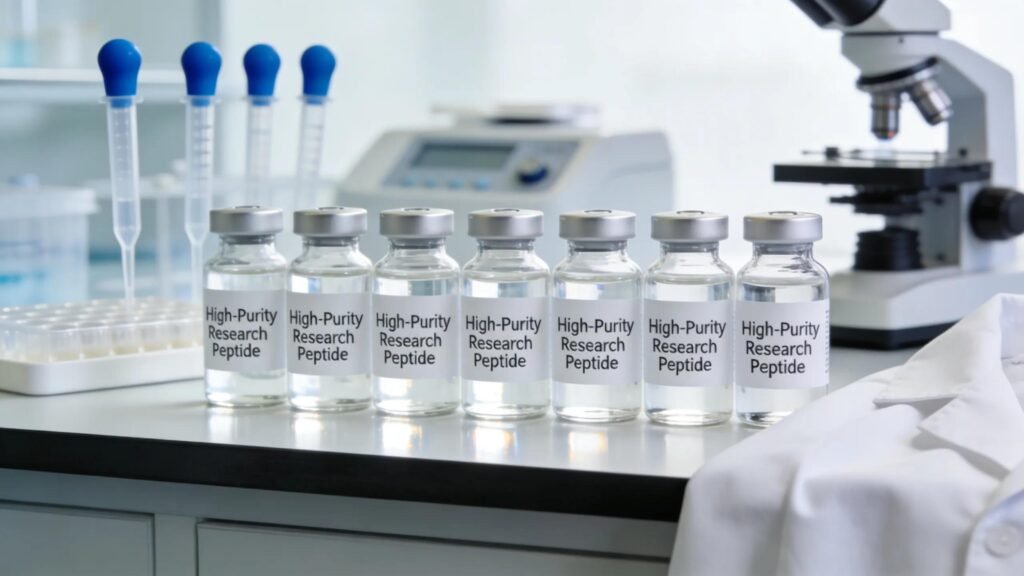
High-purity research peptides, particularly compounds like Retatrutide, play a significant role in scientific research and therapeutic applications. Understanding their pricing is crucial for researchers who require quality for effective outcomes. This article delves into the various factors that influence the price of high-purity peptides, the impact of purity on costs, and where one can acquire these essential substances. By addressing these points, researchers can make informed purchasing decisions that align with their project requirements and budget constraints.
Exploring the price of high-purity peptides reveals a complex landscape influenced by numerous characteristics. From purity levels to supply chain dynamics, this article will navigate these complexities. Additionally, the importance of interpreting Certificates of Analysis (COAs) will be discussed to ensure that the peptides acquired meet the necessary quality benchmarks. We will also highlight avenues to purchase Retatrutide effectively and explore current market trends.
What Factors Influence the Price Range of High-Purity Peptides?
Understanding the factors influencing the price range of high-purity peptides can significantly impact procurement decisions for researchers. The primary contributors include various purity levels, the reputation of suppliers, and the dynamics of the supply chain. Each of these elements plays a crucial role in determining the cost and availability of these substances.
Purity Levels
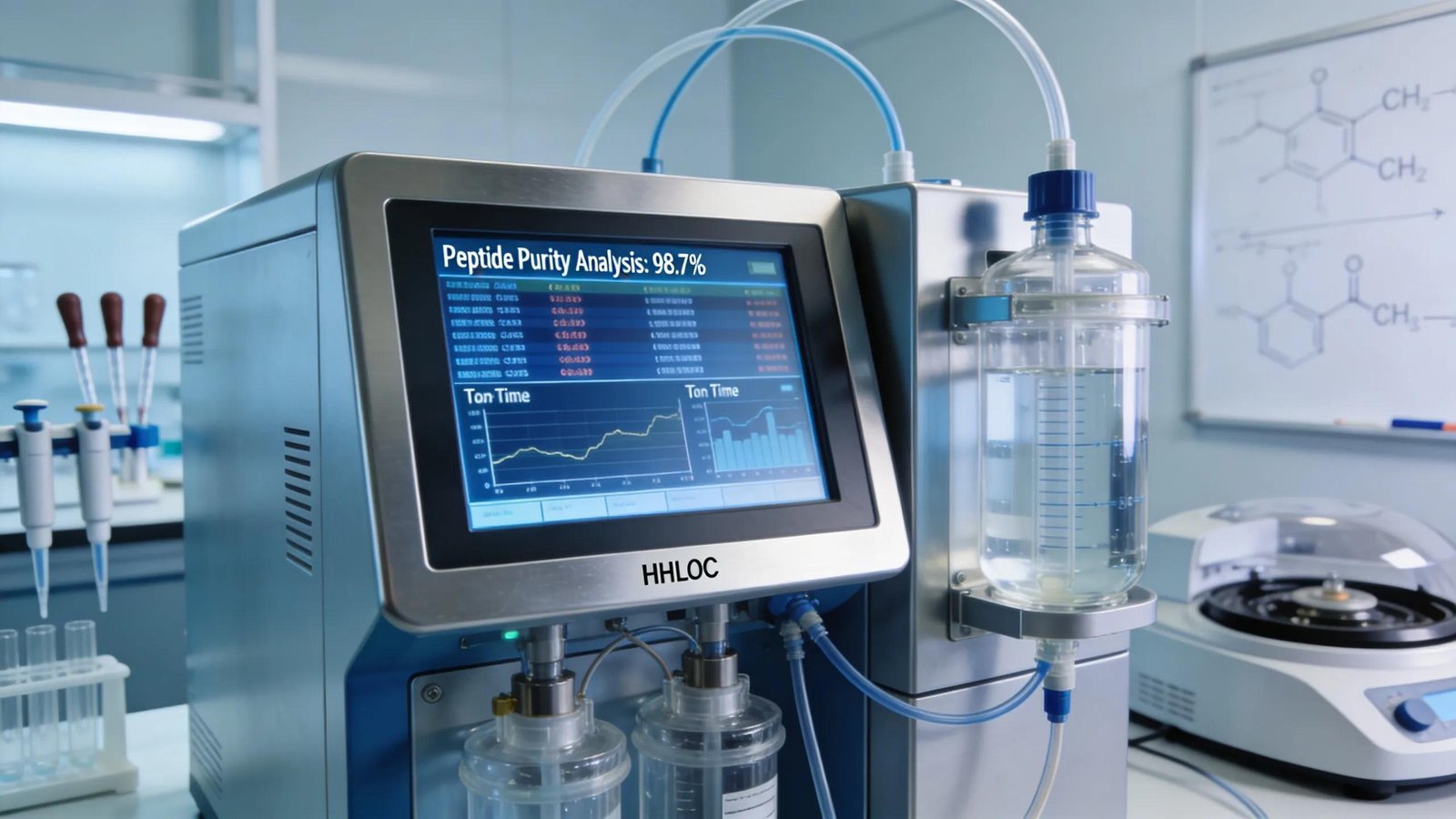
Purity levels are a significant determinant of peptide pricing. Typically, peptides can range in purity from 70% to over 99%. Higher purity means fewer contaminants, which often translates to a higher price. For instance, peptides with ≥98% HPLC purity often command prices at the premium end of the spectrum. Research materials with lower purity levels might be cheaper but could impact research quality and outcomes negatively. Analytical techniques such as High-Performance Liquid Chromatography (HPLC) are utilized to verify these purity levels, ensuring that researchers receive products that meet their expectations.
Supply Chain Dynamics
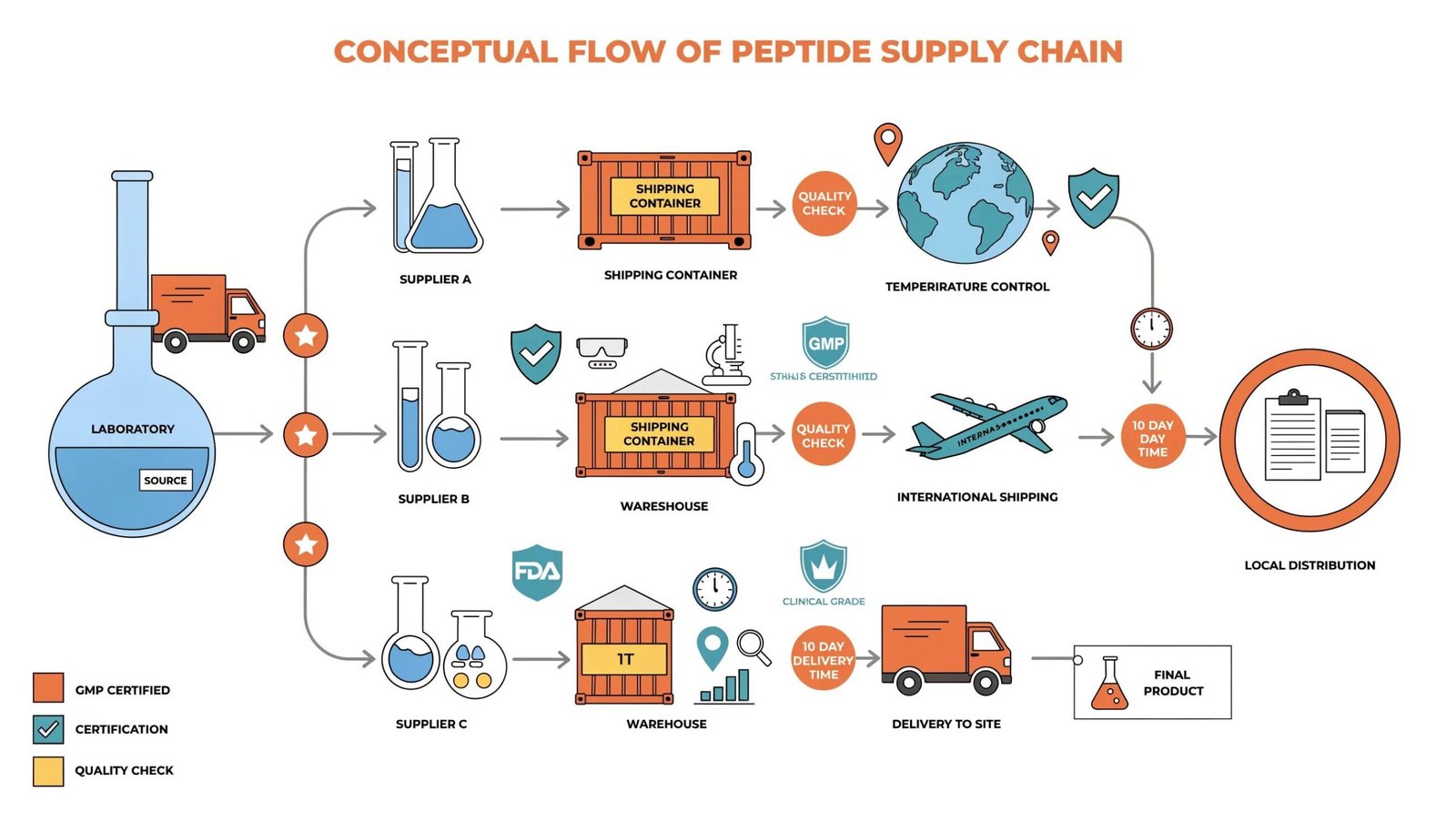
The dynamics of the supply chain also affect peptide prices. Reliable suppliers who prioritize quality and compliance with international standards tend to have higher prices due to the costs associated with rigorous sourcing and verification processes. Geographic considerations, such as shipping costs and availability of raw materials, can also impact pricing. For example, suppliers operating in regions with stringent regulatory frameworks might have higher operational costs that reflect in their pricing, making it essential for researchers to consider these factors when selecting a supplier.
How Does Peptide Purity Affect Research Peptide Costs?
The relationship between peptide purity and costs is pivotal in determining the right product for research purposes. Researchers often face the dilemma of balancing cost and quality, which is where understanding purity implications becomes valuable.
Purity Levels and Pricing
The correlation between purity levels and pricing is stark. For example, products with a purity of 99% can be several times more expensive than those with 90% purity. This price variation reflects the additional processing and testing needed to maintain high purity levels. Researchers must weigh the benefits of using higher purity peptides against their budget constraints to ensure alignment with research objectives.
Impact of Impurities
Impurities can significantly drive up costs, especially if they compromise research outcomes. The presence of contaminants may not only affect the reliability of results but can also lead to increased expenditures in rerunning experiments or sourcing and testing additional materials. Understanding the long-term financial implications of relying on lower-purity products is essential for researchers committed to quality in their studies.
How to Interpret Peptide Purity Certifications and Certificates of Analysis?
Interpreting peptide purity certifications is crucial for making informed decisions. The Certificate of Analysis (COA) provides essential documentation regarding the purity and quality of the peptide, detailing the results from various analytical tests. Researchers should look for specific metrics such as:
- Purity Percentage: The COA should clearly state the purity percentage, ideally matching or exceeding 98% for high-quality applications.
- Analytical Methods Used: Look for the type of testing performed (e.g., HPLC) to understand the verification methodologies.
- Batch-Specific Information: Ensure that the COA corresponds to the specific batch of peptides being purchased.
Fostering an understanding of these aspects ensures that only high-quality peptides are utilized in research applications, safeguarding the integrity of scientific outputs.
Where Can Researchers Purchase High-Purity Retatrutide and Peptides Online?
For those interested in obtaining high-quality peptides like Retatrutide, several reputable online suppliers are known for their adherence to quality and purity standards. One notable supplier is Nextday Peptides, which offers verified high-purity research peptides with operational proof of quality. They provide Certificates of Analysis (COAs) for their products, ensuring that customers can confirm purity levels of ≥98% HPLC purity. By sourcing from trusted providers, researchers can secure the necessary quality for their studies while minimizing the risk associated with inferior products.
What Are the Current Market Trends and Pricing Patterns for Research Peptides?
The research peptide market is continually evolving, with several recent trends influencing pricing patterns. Researchers are witnessing increased demand for high-purity peptides as the focus on quality in research intensifies. Additionally, regulatory changes can impact pricing structures as suppliers adjust to maintain compliance.
Recent analyses indicate a growing trend toward transparency in the supply chain, with suppliers providing more accessible COAs and detailed sourcing information. This increased accessibility allows researchers to make better-informed decisions regarding their suppliers and the products they purchase. Pricing may vary based on these trends, emphasizing the need for ongoing vigilance in tracking market developments.
Weight Loss Peptides: Cost, Efficacy, and Avoiding Scams
Everyone searching “peptides for weight loss” wants the same thing: a straight answer about what works, what it costs, and how to not get screwed. After reviewing clinical trial data, interviewing providers, and analyzing pricing across 500+ vendors and clinics in our directory, here are the five things you actually need to know.Peptides for Weight Loss: 5 Expensive Mistakes to Avoid (2026), 2026