
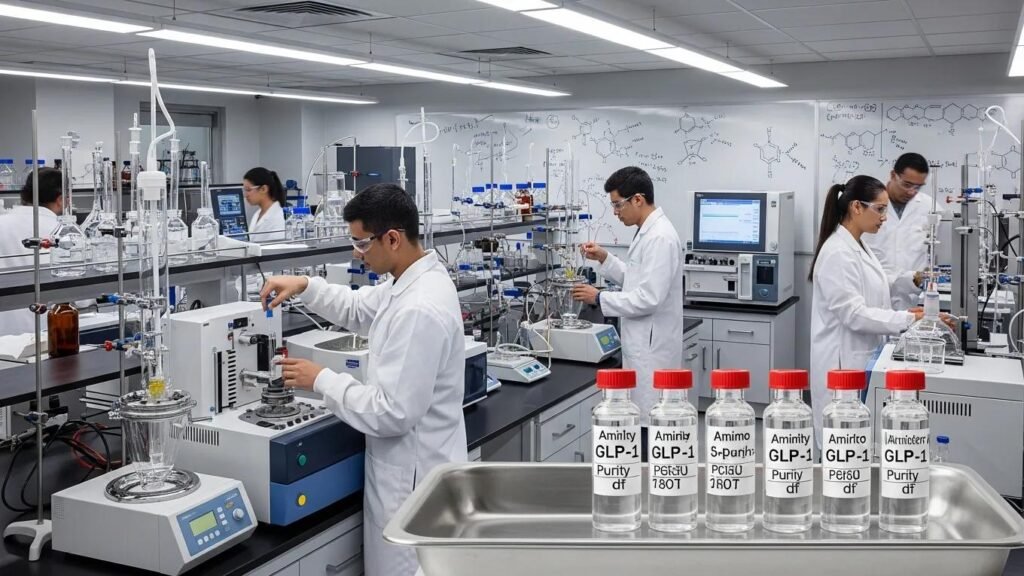
High Purity GLP-1 and Metabolic Peptides for Research: Comprehensive Insights and Applications
Research Use Only: GLP-1 (Glucagon-Like Peptide-1) and related metabolic peptides discussed in this article are intended solely for laboratory research purposes. They are not approved for human or veterinary use, and no therapeutic or diagnostic claims are made. This summary provides insights on their applications in preclinical research, biological roles, synthesis purity importance, and identity verification methods to support scientific study and experimental design in metabolic and diabetes-related fields.
What are GLP-1 and Metabolic Peptides used for in research?
These peptides are utilized exclusively in controlled laboratory settings to study mechanisms relevant to diabetes and metabolic syndrome. Primary research applications include:
- Diabetes Research Models: Investigating GLP-1 analogs to understand glucose regulation and insulin signaling pathways in vitro and in vivo experimental systems.
- Neurocognitive Function Studies: Exploring potential links between metabolic signaling peptides and cognitive function in research models.
- Tissue Repair and Regeneration Research: Understanding peptide roles in experimental models of healing and cellular recovery.
Use cases in preclinical diabetes therapy and metabolic syndrome research

GLP-1 analogs serve as valuable research tools for investigating potential regulatory mechanisms of glucose homeostasis and related metabolic processes in experimental models. Key areas of study include:
- Glucose Metabolism Regulation: Experimental evaluation of peptide effects on insulin secretion and glucose utilization in model systems.
- Appetite and Energy Balance: Laboratory assessment of peptides’ influence on satiety signals and energy intake in research animals or cell cultures.
- Cardiovascular and Inflammatory Pathways: Investigation into possible peptide-mediated modulation of cardiovascular risk factors and inflammatory responses in controlled studies.
Laboratory research mandates use of peptides with verified high purity to ensure reproducibility and reliability of experimental data.
For foundational information on GLP-1’s biological actions in research contexts, see the following excerpt:
Biological Actions of GLP-1 in Diabetes Treatment and Research (Research Context)
Glucagon-like peptide 1 (GLP-1) functions as an incretin hormone with multiple experimentally observed effects including (a) glucose-dependent stimulation of insulin secretion, (b) suppression of glucagon secretion, (c) reduction of appetite and food intake regulation, (d) slowdown of gastric emptying, as demonstrated in preclinical models. Additional findings from animal and tissue culture experiments include stimulation of β-cell neogenesis, growth, and differentiation, as well as inhibition of β-cell apoptosis. These findings support ongoing mechanistic studies and assay development. Source: Glucagon-like peptide 1 (GLP-1) in the treatment of diabetes, MA Nauck, 2004
Peptide receptor interaction studies and assay development
Characterizing interactions between peptides and their receptors is fundamental for designing assays and supporting drug discovery research. Important laboratory considerations include:
- Receptor Pharmacology: Elucidating binding and signaling pathways of GLP-1 receptors using purified peptide reagents in research models.
- Assay Development: Employing high-purity peptides to create specific, reproducible assays for receptor activation and function in vitro.
- Experimental Design: Utilizing well-characterized, research-grade peptides to minimize variability and enhance data quality in preclinical studies.
How is high purity ensured in research peptides synthesis?
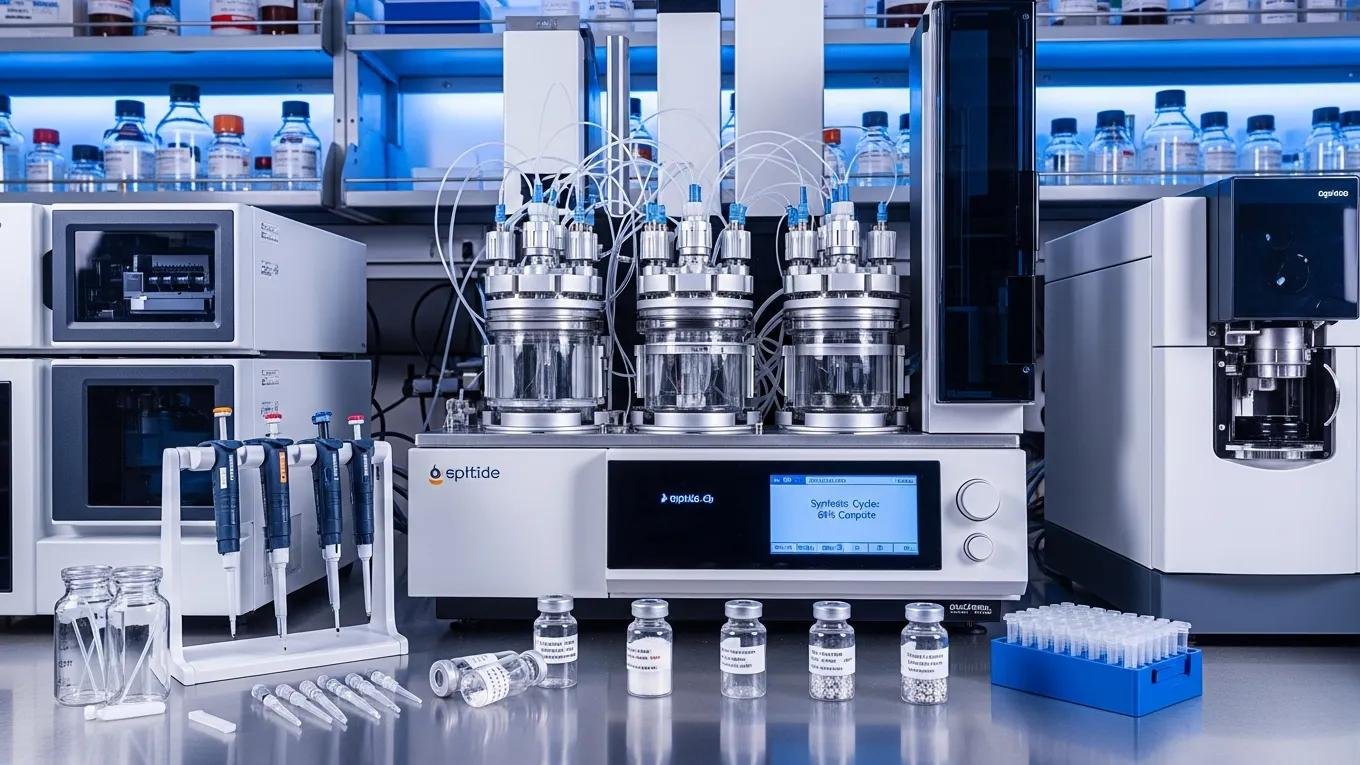
Maintaining high purity in synthetic peptides is critical in research to avoid confounding experimental outcomes. Typical quality assurance practices include:
- Synthesis Techniques: Solid-phase peptide synthesis (SPPS) and liquid-phase methods adapted for peptide complexity and sequence requirements.
- Analytical Verification: Use of high-performance liquid chromatography (HPLC) and mass spectrometry to confirm peptide purity, identity, and detect potential contaminants.
- Quality Control Procedures: In-process monitoring and final product testing to ensure reproducible synthesis standards suitable for research applications.
Nextday Sciences LLC provides research-grade peptides with documented quality control, intended exclusively for laboratory investigation.
What are the ordering and handling considerations for laboratory peptides?
Ordering peptides for research requires attention to manufacturing lead times, appropriate documentation, and adherence to proper handling to ensure reagent integrity. Considerations include:
- Lead Time Awareness: Synthesis duration depends on sequence length, modifications, and batch size.
- Certificate of Analysis (COA) Importance: COAs accompany each lot, detailing purity, identity, and analytical methods to verify research-grade reagent quality.
- Proper Handling and Storage: Following recommended temperature controls and handling guidelines to maintain stability of peptides post-delivery.
Ensuring timely delivery of high-purity GLP-1 peptides for research
To facilitate efficient procurement, many suppliers offer options such as expedited shipping and cold-chain logistics designed for sensitive biological reagents. Best practices include:
- Selecting Appropriate Shipping Methods: Utilizing express and temperature-controlled services to preserve peptide integrity during transport.
- Order Preparation and Documentation: Providing complete and clear order details to enable smooth processing.
- Shipment Tracking: Monitoring deliveries to coordinate receipt and proper storage promptly.
Adhering to these steps supports uninterrupted research workflows and data quality.
Research Use Only: Important Notices
All GLP-1 and metabolic peptides described are for research use only (RUO). These peptides are not intended for human or veterinary use, nor for administration in clinical or diagnostic procedures. They are not to be used as drugs, food supplements, or therapeutics. No claims regarding treatment, prevention, or cure of any disease or condition are made. Researchers must comply with institutional and governmental regulations governing laboratory chemical and biological reagent use.
Frequently Asked Questions
Are the GLP-1 peptides discussed approved for clinical use?
No. The peptides are supplied solely for research purposes and have not undergone regulatory approval for human or veterinary applications.
Can the peptides be used to treat medical conditions?
These peptides are investigational research reagents only. They are not intended, nor should they be used, to treat, cure, or diagnose any condition.
How should GLP-1 peptides be handled in the laboratory?
GLP-1 peptides must be handled following laboratory best practices, including use of personal protective equipment, appropriate storage conditions (generally refrigerated or frozen), and disposal according to institutional protocols.
What analytical methods confirm peptide quality?
Research-grade peptides are typically characterized by HPLC to assess purity and by mass spectrometry to verify molecular identity before release for use.
Are there known side effects of using GLP-1 peptides?
As research chemicals, GLP-1 peptides do not have clinical side effect profiles. Potential biological effects should be interpreted only within experimental contexts.
What areas of research are supported by these peptides?
GLP-1 and related peptides facilitate studies exploring metabolic signaling pathways, receptor pharmacology, peptide-receptor interactions, and preliminary assessments of biological mechanisms relevant to metabolic disorders.
Can these peptides be used for veterinary or clinical research?
These products are strictly for in vitro or in vivo research models and are not authorized for veterinary or clinical use.