
BPC-157 and TB-500 Research Peptides: Laboratory Guide to Mechanisms, Purity & Handling
BPC-157 and TB-500 are synthetic research peptides used in laboratory studies of tissue biology, angiogenesis, and cellular migration pathways. This guide summarizes commonly referenced research applications, proposed mechanisms in preclinical literature, purity considerations, and laboratory handling practices. All materials discussed are for research use only and are not intended for human or animal use.
Overview of BPC-157 and TB-500 in Research
BPC-157 is frequently studied for angiogenic signaling and tissue-repair pathway research. TB-500 (a thymosin beta-4 fragment) is commonly referenced in studies of actin-related cellular migration and cytoskeletal organization. These compounds are used in controlled laboratory and preclinical research settings to investigate molecular mechanisms — not as consumer, sports, or clinical products.
High-purity peptide materials help reduce confounding experimental variables. Working with documented suppliers supports standardized materials for reproducible methods. Nextday Sciences LLC, through Nextday Peptides, supplies high-purity research peptides, including BPC-157 and TB-500, for laboratory research applications.
Common Laboratory Research Contexts

Published and laboratory research commonly references these compounds in areas such as:
- Tissue biology models: BPC-157 is studied in experimental models examining bone, tendon, and soft-tissue signaling pathways.
- Cellular migration research: TB-500 is examined for effects on cell motility and cytoskeletal organization in preclinical systems.
- Wound-biology research: Both peptides appear in laboratory literature exploring wound-healing pathway biology under controlled experimental conditions.
These references are scientific and analytical. They do not constitute medical advice, treatment guidance, or approved therapeutic use.
Mechanisms Discussed in Research Literature
In research models, BPC-157 is often discussed in connection with angiogenesis and vascularization-related signaling that can influence nutrient and oxygen delivery parameters at experimental injury sites. TB-500 is frequently discussed for modulation of cellular migration and differentiation pathways relevant to cytoskeletal dynamics, including in skeletal-muscle research models.
Why Laboratories Study These Compounds
Within controlled laboratory environments, researchers may investigate:
- Tissue signaling pathways: Experimental models examining regeneration-associated molecular responses.
- Comparative peptide biology: Side-by-side evaluation of angiogenesis-related versus migration-related research endpoints.
- Mechanistic insight: Characterized activities that help map molecular pathways for further basic-science investigation.
Incorporating BPC-157 and TB-500 into experimental frameworks is for laboratory research design and mechanistic study only.
Laboratory Safety Considerations
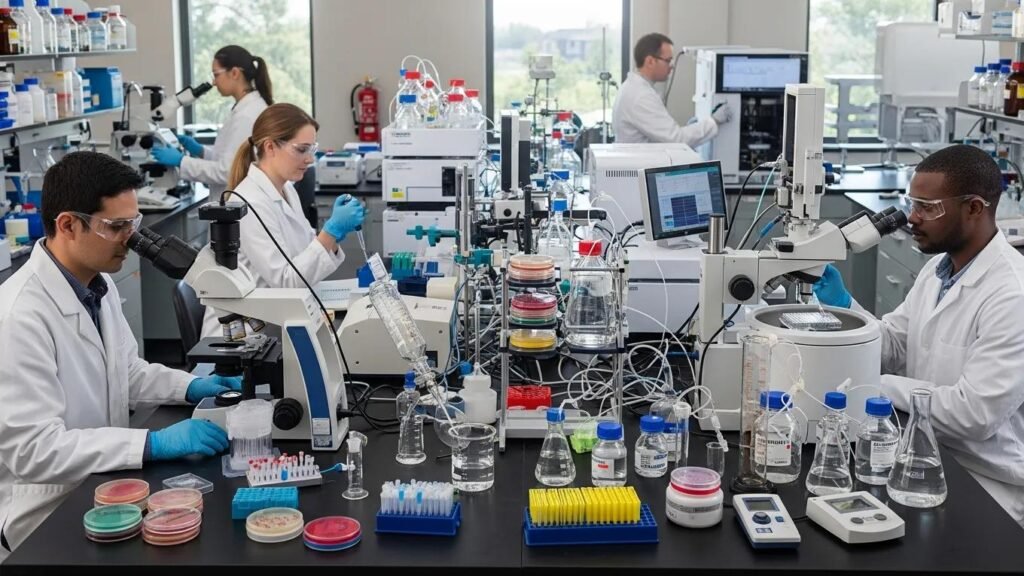
Adherence to biosafety and handling protocols is essential to protect laboratory personnel and preserve experimental integrity. Use appropriate personal protective equipment and follow research-use-only institutional requirements. Peptide purity and integrity can materially affect data quality, because contaminants or degradation products may confound results.
- Safety protocols: Use gloves, lab coats, and eye protection when handling research peptides.
- Research-use-only guidelines: Conduct peptide experiments under approved laboratory protocols.
- Importance of purity: Source peptides from documented suppliers and review lot-level COA data where available.
Key Research Properties
BPC-157 and TB-500 have distinct chemical and research-profile characteristics:
Understanding these distinctions helps laboratories design protocol-specific experiments with appropriate compound selection.
How Purity Affects Research Outcomes
Peptide purity is a major factor in experimental precision:
- More reliable data: High-purity peptides support consistency across replicates.
- Fewer confounding variables: Lower contaminant burden reduces artifact risk.
Nextday Sciences LLC focuses on high-purity research peptide supply and documentation support for laboratory use of BPC-157 and TB-500.
Quality Assurance in Peptide Supply

Quality workflows for research peptides typically include analytical testing and process controls intended to support identity, purity, and lot consistency.
- Testing methods: HPLC and mass spectrometry are commonly used to confirm identity and purity.
- Quality controls: Documented lot records and batch review support consistency across supply.
Verification Methods
Standard verification practices include:
- Certificates of Analysis: Lot documentation outlining purity and identity data.
- Analytical techniques: HPLC and mass spectrometry to validate specifications.
- Internal lab QC: Laboratories should retain batch records and apply internal acceptance criteria before experimental use.
Nextday Peptides provides access to Certificates of Analysis for research-reference documentation.
Handling and Storage Guidelines
Preserving peptide integrity requires controlled handling and storage:
- Storage conditions: Keep lyophilized peptides cold, dry, and protected from light per product guidance.
- Handling practices: Use gloves and a clean workspace to minimize contamination.
- Improper storage risks: Heat, moisture, and light can degrade peptide integrity and impair experimental reproducibility.
Frequently Asked Questions
1. What are the primary research differences between BPC-157 and TB-500?
BPC-157 is more often studied in angiogenesis and tissue-biology signaling models. TB-500 is more often studied for cellular migration and cytoskeletal organization. These differences guide compound selection for specific experimental designs.
2. Can BPC-157 and TB-500 be studied together in research?
Yes. Some laboratory designs evaluate both compounds in comparative or combination research frameworks. Such studies require controlled methods and clear analytical endpoints. This does not imply approved combined clinical or consumer use.
3. How does sourcing affect research outcomes?
Documented suppliers and lot-level COAs help reduce contamination risk and support batch consistency, which improves experimental validity and reproducibility.
4. What precautions should researchers take when handling these peptides?
Follow institutional laboratory safety standards, use PPE, work in controlled environments, and maintain clean handling practices to protect personnel and sample integrity.
5. What role do Certificates of Analysis play?
COAs provide research-reference documentation of purity and identity for a given lot. They support vendor evaluation and laboratory recordkeeping. They are not medical or regulatory approval documents.
6. Are BPC-157 and TB-500 approved for human use?
No. Products supplied through Nextday Peptides are for laboratory research use only. They are not intended for human or animal consumption, sports use, medical treatment, or diagnostic applications.
7. How does storage affect peptide integrity?
Proper cold, dry, light-protected storage helps preserve stability. Poor storage can degrade material and compromise experimental reproducibility.
Disclaimer: BPC-157 and TB-500 discussed in this article are intended for laboratory research use only. They are not approved for human or animal consumption and are not intended for medical, therapeutic, diagnostic, or athletic use. Nextday Sciences LLC operates the Nextday Peptides website and is not a compounding pharmacy.