
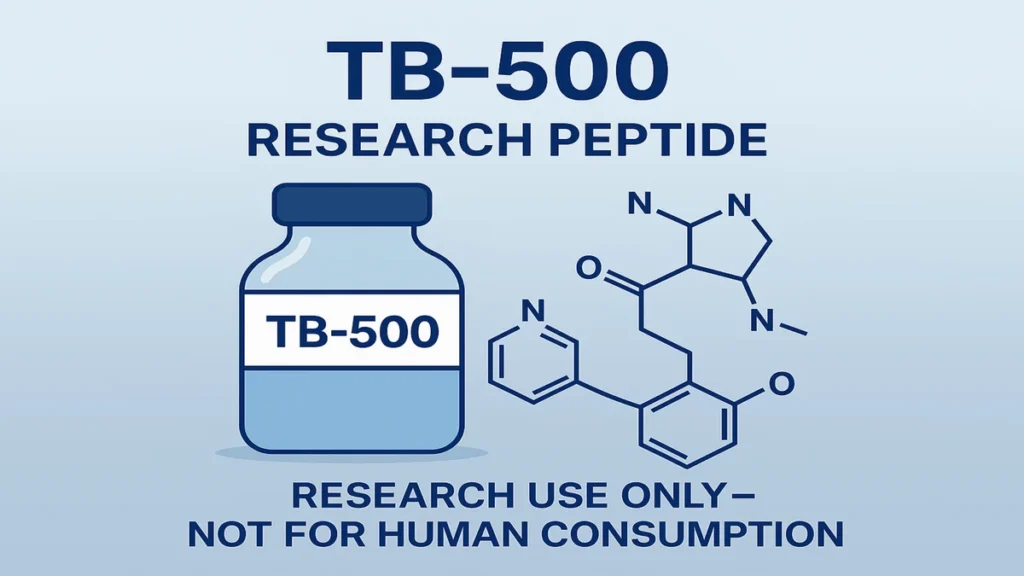
Key Characteristics of Research Peptides
Research peptides possess unique molecular structures that influence their stability, solubility, and bioactivity. These characteristics are critical for researchers who need to ensure the integrity of their experimental outcomes. For instance, the sequence of amino acids in a peptide can dramatically alter its function and effectiveness in laboratory settings.
Moreover, the purity and quality of research peptides are paramount, as impurities can skew results and lead to unreliable data. Researchers must evaluate these characteristics through rigorous analytical testing to confirm that the peptides meet the necessary standards for their specific applications.
Common Applications of Research Peptides
Research peptides are utilized in various scientific fields, including pharmacology, biochemistry, and molecular biology. They are instrumental in drug discovery, where they can serve as potential therapeutic agents or tools for understanding disease mechanisms. For example, peptides like TB-500 are often studied for their regenerative properties in tissue repair.
In addition to drug development, research peptides are used for disease modeling and protein synthesis, offering insights into cellular processes. Their versatility makes them invaluable in experimental research, enabling scientists to explore a wide range of biological phenomena.
Best Practices for Handling Research Peptides
Handling research peptides requires strict adherence to safety protocols to mitigate risks associated with chemical exposure. Researchers should always use personal protective equipment (PPE) and work in controlled environments, such as fume hoods, to ensure safety. Proper storage conditions, including temperature and light sensitivity, are also crucial for maintaining peptide stability.
Additionally, researchers must be well-versed in the specific handling requirements of each peptide, as some may exhibit reactivity or require special disposal methods. Following these best practices not only protects researchers but also ensures the reliability of experimental results.
Emerging Trends in Research Peptide Technology
The field of research peptides is rapidly evolving, with new technologies and methodologies enhancing their development and application. Innovations such as peptide synthesis automation and advanced analytical techniques are streamlining the production process, making it easier to obtain high-quality peptides for research purposes.
Furthermore, the exploration of novel peptides with unique properties is paving the way for breakthroughs in therapeutic applications. As scientists continue to uncover the potential of peptides in various biological contexts, staying informed about these emerging trends is essential for researchers aiming to leverage the latest advancements in their studies.